

In the fast-evolving world of professional football, analyzing recent match performances offers a clearer picture of which teams are truly in form and which are struggling beneath the surface. As fans and analysts search for deeper insights beyond simple scorelines, performance trends—ranging from tactical execution to player consistency—have become essential tools in understanding the modern game. For readers interested in broader analytical perspectives and performance breakdowns across industries, platforms like https://abmineralscorp.com/ provide structured insights that emphasize data-driven evaluation.
Across major leagues and competitions, elite teams are navigating congested schedules, tactical adjustments, and evolving squad dynamics. The past few weeks have revealed not only standout performers but also vulnerabilities that could shape outcomes in the latter stages of the season. By examining recent matches, patterns begin to emerge—highlighting which clubs are adapting effectively and which are falling behind.
Tactical Evolution and Match Control Among Leading Clubs
One of the defining features of top-performing teams in recent matches has been their ability to control games through tactical flexibility. Clubs that once relied on rigid systems are increasingly adopting adaptable formations, shifting between defensive solidity and attacking fluidity depending on match context.
For example, possession-based teams have refined their build-up play, focusing on shorter passing sequences and positional rotations to break defensive lines. This approach has been particularly effective against mid-block defenses, where patience and precision are required. Teams employing inverted full-backs and midfield overloads have gained numerical superiority in key areas, allowing them to dictate tempo and maintain sustained pressure.
Conversely, high-pressing sides have continued to demonstrate the value of intensity and organization. By compressing space and forcing turnovers in advanced areas, these teams create immediate scoring opportunities. Recent matches show that successful pressing systems rely not only on physical endurance but also on synchronized movement and clear communication among players.
Defensively, top teams are prioritizing compact structures and transitional awareness. Quick recovery after losing possession has become a hallmark of elite performance. This shift reflects a broader understanding that modern football is as much about preventing goals as it is about scoring them.
Match control is no longer measured solely by possession statistics. Instead, it is defined by the ability to manage different phases of the game—knowing when to accelerate play, when to slow it down, and how to exploit moments of imbalance. Teams that excel in these areas consistently outperform their opponents, even in tightly contested fixtures.
Player Form, Squad Depth, and Key Performance Indicators
Beyond tactical systems, individual player performances play a critical role in shaping recent match outcomes. Top teams benefit from players who are not only technically skilled but also tactically intelligent and physically resilient. Recent fixtures have highlighted the importance of consistency, particularly among key positions such as central midfielders, forwards, and goalkeepers.
Strikers in form have demonstrated clinical finishing, converting limited chances into decisive goals. However, their effectiveness often depends on the quality of service provided by creative midfielders and wide players. Assists, key passes, and progressive runs have emerged as important indicators of attacking efficiency.
Midfielders, meanwhile, serve as the engine of high-performing teams. Their ability to control tempo, recover possession, and link defense with attack is crucial. Recent matches show that teams with dominant midfield performances tend to dictate the flow of the game, reducing the opponent’s opportunities to build momentum.
Goalkeepers and defenders have also played pivotal roles. Clean sheets are often the result of coordinated defensive efforts rather than individual brilliance alone. Still, standout goalkeeping performances—characterized by crucial saves and command of the penalty area—can significantly influence match outcomes.
Squad depth has become increasingly important in maintaining performance levels. With frequent fixtures and injury risks, teams that can rotate players without a significant drop in quality have a clear advantage. Recent matches reveal that clubs with well-balanced squads are better equipped to sustain high performance over extended periods.
Performance metrics such as expected goals (xG), pass completion rates, and defensive duels won provide additional context. These indicators help analysts assess whether results reflect underlying performance or are influenced by short-term factors. Teams consistently outperforming their expected metrics may be benefiting from exceptional form, while those underperforming may need tactical adjustments.
Trends, Challenges, and What Lies Ahead
As the season progresses, several trends have become evident across top teams. One notable pattern is the increasing importance of adaptability. Teams that can adjust their strategies mid-match—responding to opponent tactics or changing game conditions—are more likely to secure positive results.
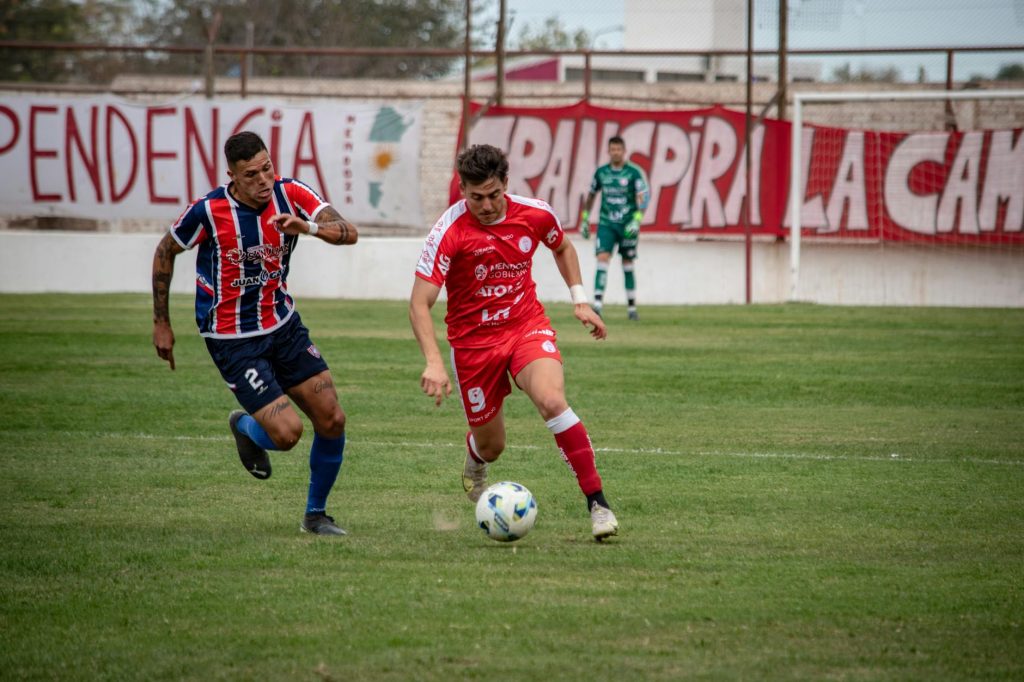
Another trend is the emphasis on youth integration. Emerging players are making significant contributions, bringing energy and unpredictability to established squads. Their performances in recent matches suggest that long-term planning and development are paying dividends for forward-thinking clubs.
However, challenges remain. Fixture congestion continues to test player endurance and squad management. Fatigue can lead to dips in performance, particularly in high-intensity systems. Injuries to key players also pose risks, potentially disrupting team cohesion and tactical plans.
Psychological factors are equally গুরুত্বপূর্ণ. Confidence, momentum, and resilience often determine how teams perform under pressure. Recent matches have shown that teams capable of maintaining composure in critical moments—whether defending a narrow lead or chasing a late equalizer—tend to achieve better outcomes.
Looking ahead, the ability to sustain performance will be crucial. As competitions enter decisive phases, margins for error become increasingly small. Teams must balance ambition with pragmatism, ensuring that their strategies remain effective against a variety of opponents.
In conclusion, analyzing recent match performances provides valuable insights into the current state of top teams. Tactical evolution, player form, and emerging trends all contribute to a dynamic and competitive landscape. While results offer a snapshot, deeper analysis reveals the underlying factors that shape success in modern football.
For fans, analysts, and stakeholders, staying informed about these developments is essential. As the season unfolds, continued observation and analysis will help identify which teams are best positioned to achieve their اهداف and maintain their competitive edge in an ever-changing game.
Related Reading
- Understanding Team Dynamics and Performance: What Drives High-Impact Collaboration
- Boston Uprising’s Decline: A Closer Look at the Team’s Sudden Fall from Contention
- Overwatch League Stage 2 Week 2 Power Rankings: Teams Rising, Falling, and Redefining the Meta




More Stories
Understanding Team Dynamics and Performance: What Drives High-Impact Collaboration
Global Sports Powerhouses: Key Developments Shaping the World’s Most Popular Teams in 2026
How Strategic Team Play Is Redefining Success in Modern Sports