
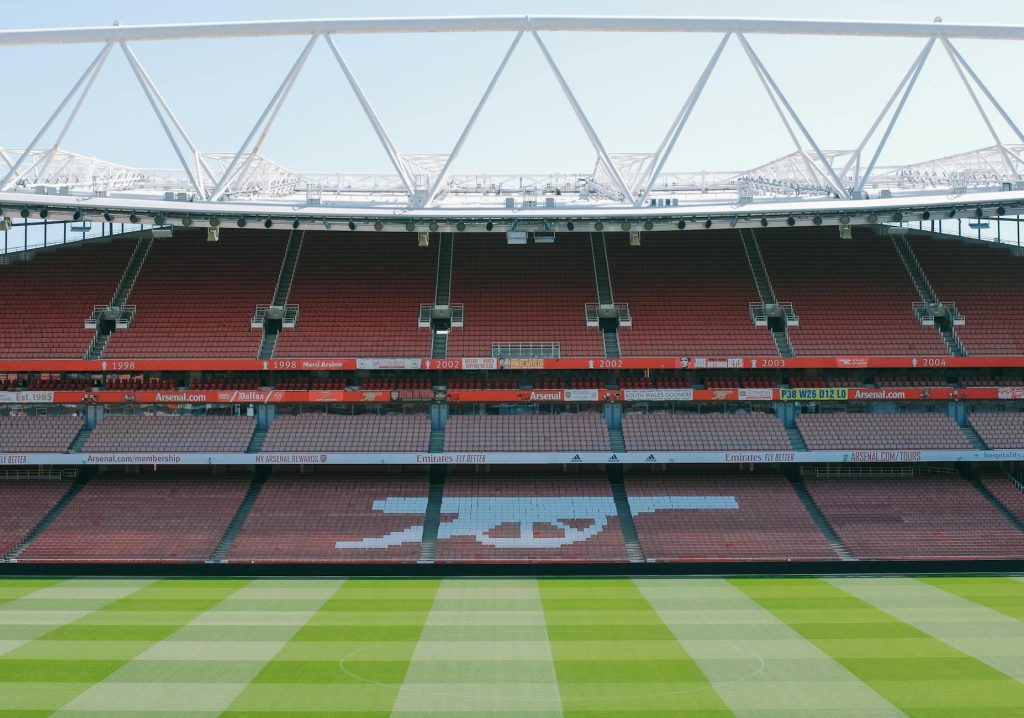
As football seasons across Europe and beyond reach decisive stages, fans and analysts alike are closely monitoring how the latest standings reflect shifting momentum, tactical evolution, and title ambitions. From the English Premier League to La Liga, Serie A, Bundesliga, and Ligue 1, the race for dominance remains as intense as ever. For readers interested in broader analytical insights and structured reporting across industries, platforms such as https://abmineralscorp.com/ also highlight how data-driven perspectives can shape understanding in different sectors.
Today’s football standings are more than just numbers on a table—they tell stories of resilience, managerial influence, squad depth, and the growing impact of financial and strategic planning in modern football. Across leagues, patterns are emerging that not only define the current season but also hint at long-term transformations within the global game.
Premier League and Europe’s Top Contenders
In the English Premier League, the battle at the top continues to be fiercely contested. Traditional powerhouses such as Manchester City, Liverpool, and Arsenal remain central to the title race, each bringing a distinct tactical identity. Manchester City’s possession-based dominance under Pep Guardiola continues to set the benchmark, while Liverpool’s high-intensity pressing system ensures they remain competitive across all competitions. Arsenal, meanwhile, has shown remarkable consistency, reflecting the maturity of a squad that has developed steadily over recent seasons.
The standings reveal a narrow points gap among the top teams, indicating that even minor fluctuations in form could dramatically alter the title race. Goal difference has become a critical factor, often reflecting not just attacking efficiency but also defensive solidity. Mid-table teams such as Aston Villa and Tottenham Hotspur have also emerged as significant disruptors, capable of influencing the outcome of the title race through unexpected results.
In Spain’s La Liga, Real Madrid and Barcelona continue their historic rivalry at the summit, though Atlético Madrid remains a persistent challenger. Real Madrid’s blend of experienced leadership and emerging young talent has given them a slight edge in consistency, while Barcelona’s tactical restructuring under new management has produced mixed but promising results. Atlético Madrid, known for their disciplined defensive approach, continues to capitalize on counter-attacking opportunities to stay within reach of the शीर्ष positions.
Germany’s Bundesliga offers a slightly different dynamic. Bayern Munich, long the dominant force, now faces increasing pressure from clubs like Bayer Leverkusen and Borussia Dortmund. The standings suggest a more competitive environment than in previous years, with Leverkusen’s attacking fluidity and Dortmund’s resilience narrowing the gap traditionally enjoyed by Bayern. This shift signals a potential turning point in German football, where dominance is no longer guaranteed.
Italy’s Serie A has also experienced a resurgence in competitiveness. Inter Milan, AC Milan, and Juventus are all vying for the शीर्ष spot, with Napoli attempting to maintain their recent momentum. The standings highlight the importance of tactical discipline and squad rotation, particularly as teams balance domestic and European commitments. Defensive organization remains a hallmark of Italian football, but there is a noticeable increase in attacking creativity among top clubs.
France’s Ligue 1, while often dominated by Paris Saint-Germain, is showing signs of greater unpredictability. PSG still leads the standings, driven by star power and financial strength, but clubs like Marseille, Monaco, and Lille are increasingly competitive. The gap at the top is narrower than in previous seasons, suggesting that the league may be entering a more balanced phase.
Mid-Table Battles and Relegation Pressure
While title races capture headlines, the middle and lower sections of league tables often provide equally compelling narratives. Mid-table teams play a crucial role in shaping the competitive landscape, acting as gatekeepers that can influence both championship and relegation outcomes.
In the Premier League, clubs positioned between sixth and twelfth place are engaged in a tight contest for European qualification spots. Teams such as Newcastle United, Brighton, and West Ham United have demonstrated the ability to challenge higher-ranked opponents, often leveraging tactical flexibility and efficient recruitment strategies. Their positions in the standings reflect not only performance but also long-term planning and investment.
Relegation battles, meanwhile, are characterized by urgency and unpredictability. Clubs near the bottom of the table face immense pressure, with each match carrying significant consequences. Defensive errors, injuries, and managerial changes can quickly alter a team’s trajectory. In leagues like Serie A and La Liga, the fight to avoid relegation often goes down to the final weeks, highlighting the fine margins that separate survival from سقوط.
Financial implications also play a critical role in these scenarios. Relegation can lead to substantial revenue losses, affecting transfer budgets, player retention, and overall club stability. As a result, teams in danger zones often adopt more conservative strategies, prioritizing defensive solidity and risk management over expansive play.
In Bundesliga and Ligue 1, similar patterns emerge. Clubs fighting relegation frequently rely on home advantage and disciplined performances to secure crucial points. The standings in these leagues demonstrate how even small improvements in consistency can lead to significant changes in position.
The mid-table, often overlooked, serves as a testing ground for emerging talent and tactical experimentation. Managers in these positions may have more flexibility to implement new systems, providing valuable insights into future trends within the sport.
Key Trends Shaping Today’s League Standings
A closer examination of current standings across major leagues reveals several overarching trends that are reshaping modern football. One of the most notable is the increasing importance of squad depth. With congested fixtures and multiple competitions, teams with deeper benches are better equipped to maintain performance levels throughout the season.
Data analytics has also become a central component in shaping outcomes. Clubs are increasingly relying on advanced metrics to inform decisions related to player recruitment, match preparation, and in-game adjustments. This analytical approach is reflected in the consistency of top-performing teams, which often exhibit well-defined tactical structures and efficient resource utilization.
Another significant trend is the rise of younger players. Across leagues, clubs are investing in youth development, integrating emerging talents into first-team squads. This shift not only reduces reliance on expensive transfers but also introduces greater dynamism and adaptability into team strategies.
Managerial influence remains a निर्णायक factor. Coaches with clear tactical philosophies and strong communication skills can significantly impact standings. The success of teams like Arsenal and Bayer Leverkusen underscores how effective leadership can transform performance over relatively short periods.
Financial disparities, however, continue to shape competitive balance. Clubs with greater resources often have an advantage in assembling high-quality squads, though recent standings suggest that strategic planning and efficient management can partially offset these differences. The emergence of competitive mid-tier clubs demonstrates that success is no longer solely determined by financial power.
Globalization has further influenced league dynamics. International ownership, cross-border player transfers, and worldwide fan engagement have expanded the reach of football, increasing both opportunities and challenges for clubs. The standings reflect this interconnected environment, where local performance is influenced by global factors.
Looking ahead, the trajectory of current standings suggests that unpredictability will remain a defining feature of modern football. While traditional giants continue to dominate headlines, the gap between top and mid-tier teams is narrowing in several leagues. This trend enhances competitiveness and ensures that outcomes remain uncertain until the final stages of the season.
In conclusion, today’s football league standings provide a comprehensive snapshot of a sport in transition. They reveal not only who is leading but also how the game itself is evolving. From tactical innovation and data-driven strategies to financial considerations and youth development, multiple factors converge to shape the competitive landscape.
For fans, analysts, and stakeholders, understanding these standings requires more than a glance at points and positions. It demands an appreciation of the underlying dynamics that drive performance and influence outcomes. As the season progresses, these dynamics will continue to unfold, offering new insights into the ever-changing world of football.




More Stories
Modern Football Battles: How Clubs Are Redefining Competition in Major Tournaments
Global Football Spotlight: Major Moments and Trends from the World’s Leading Leagues
Tactical Shifts and Performance Trends Shaping Clubs in Recent Matches