
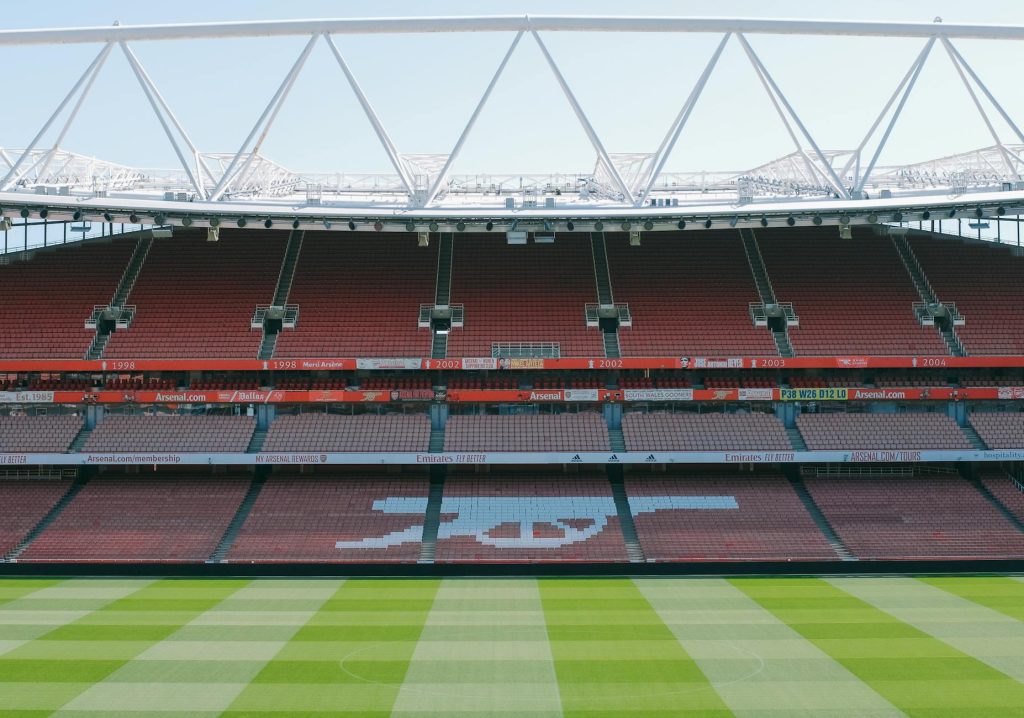
Football in 2026 continues to evolve at a rapid pace, with top leagues across Europe and beyond delivering intense competition, tactical innovation, and standout club performances. From the English Premier League to La Liga, Serie A, and the Bundesliga, fans are witnessing a season defined by unpredictability and strategic evolution. As global interest in football expands alongside industries and platforms such as https://abmineralscorp.com/, the sport remains a central pillar of international culture, driven by both tradition and modern transformation.
This season has been marked by a blend of dominance from established giants and the rise of ambitious challengers. Clubs are not only competing for domestic titles but also balancing European commitments, financial pressures, and squad rotations. Managers are increasingly relying on data analytics, tactical flexibility, and youth development to maintain competitive edges in leagues that are tighter than ever.
Premier League and La Liga Deliver High-Intensity Title Races
The English Premier League remains one of the most competitive football leagues in the world, and the 2026 season is no exception. Traditional powerhouses such as Manchester City, Liverpool, and Arsenal continue to set the pace, but the gap between top and mid-table teams has narrowed significantly. Clubs like Aston Villa and Newcastle United have emerged as serious contenders, challenging the established hierarchy with disciplined tactics and smart recruitment.
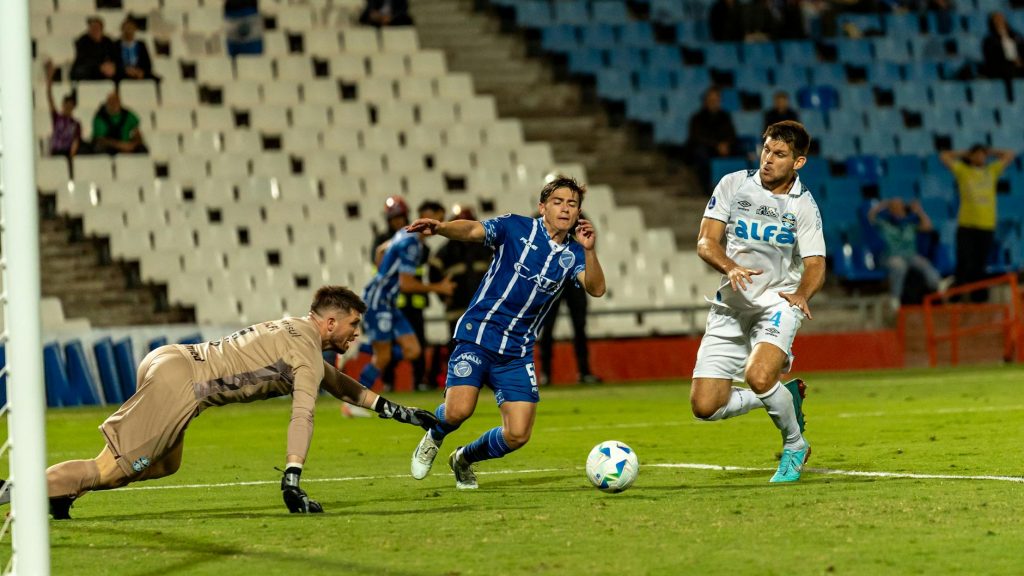
Manchester City, under continued tactical refinement, has maintained a high level of consistency. Their possession-based system, combined with clinical finishing, allows them to control matches and dominate weaker opponents. However, fatigue from congested fixtures and European commitments has occasionally exposed vulnerabilities, creating opportunities for rivals.
Liverpool has shown resilience through squad rotation and tactical adaptability. Their pressing system remains effective, but the team has also evolved to incorporate more controlled build-up play. Arsenal, meanwhile, continues to build on its youthful core, combining technical quality with tactical discipline. Their ability to maintain consistency against both top and lower-tier teams has kept them firmly in the title race.
La Liga presents a different narrative, where traditional giants Real Madrid and Barcelona are once again at the forefront. Real Madrid’s blend of experienced leaders and emerging talent has allowed them to remain competitive on multiple fronts. Their transition play and attacking efficiency have been key strengths throughout the season.
Barcelona, on the other hand, has focused on rebuilding through a balanced approach that combines youth development with strategic signings. Their emphasis on possession and positional play remains central to their identity, although defensive inconsistencies have occasionally impacted results.
Atletico Madrid continues to operate as a disruptive force in La Liga. Known for their defensive organization and counter-attacking efficiency, they remain capable of challenging for the title, particularly in tightly contested matches where discipline and structure play a decisive role.
Serie A and Bundesliga Highlight Tactical Diversity and Rising Clubs
Serie A has experienced a resurgence in recent years, and the 2026 season reflects a league that is both tactically rich and highly competitive. Clubs such as Inter Milan, AC Milan, and Juventus remain key contenders, but they face increasing pressure from emerging teams that are closing the performance gap.
Inter Milan has demonstrated consistency through a well-structured system that emphasizes defensive solidity and quick transitions. Their ability to control tempo and exploit spaces has made them one of the most balanced teams in the league. AC Milan, meanwhile, continues to evolve with a focus on dynamic attacking play and high pressing.
Juventus has undergone a period of transition, focusing on rebuilding and integrating younger players into the squad. While their performances have been inconsistent at times, the team shows signs of long-term development, particularly in midfield creativity and defensive organization.
The Bundesliga offers a contrasting style, characterized by high-scoring matches and attacking football. Bayern Munich remains the dominant force, leveraging depth, experience, and attacking efficiency to maintain their position at the top. However, challengers such as Borussia Dortmund and RB Leipzig have shown the ability to compete, particularly through fast-paced transitions and aggressive pressing systems.
Borussia Dortmund continues to rely on young talent and attacking creativity, producing exciting performances that appeal to fans worldwide. RB Leipzig, known for their structured pressing and tactical discipline, has emerged as a consistent contender, capable of challenging Bayern in key fixtures.
One notable trend across both leagues is the increasing reliance on tactical flexibility. Managers are adapting formations mid-game, responding to opponents with dynamic strategies that emphasize both offense and defense. This adaptability has made matches more unpredictable and engaging.
European Competitions and Club Strategies Shape Global Football Landscape
Beyond domestic leagues, European competitions such as the UEFA Champions League and Europa League continue to influence club strategies and performances. Participation in these tournaments places additional demands on squads, requiring careful rotation and depth management.
Clubs competing on multiple fronts must balance domestic priorities with international ambitions. This often leads to strategic decisions regarding player selection, rest periods, and tactical approaches. Teams with deeper squads tend to perform better over the course of the season, as they can maintain consistency despite the demanding schedule.
Financial considerations also play a significant role in shaping club performance. Revenue from broadcasting rights, sponsorships, and competition participation directly impacts transfer strategies and squad development. Clubs are increasingly investing in youth academies and scouting networks to identify emerging talent and reduce reliance on expensive transfers.
Another key development is the growing influence of technology in football. Data analytics is now an integral part of performance evaluation, helping clubs assess player fitness, tactical efficiency, and opponent tendencies. This data-driven approach allows managers to make informed decisions that enhance overall performance.
Player performance remains central to the narrative of the 2026 season. Star players continue to deliver decisive moments, but there is also a noticeable rise in collective team performance. Success is increasingly determined by cohesive systems rather than individual brilliance alone.
In addition, the global nature of football continues to expand, with leagues attracting talent from diverse regions. This international influence contributes to the tactical and stylistic diversity seen across competitions, enriching the overall quality of the sport.
As the season progresses, the competition across top football leagues is expected to intensify further. Title races remain open, European qualification spots are fiercely contested, and relegation battles add another layer of drama. The combination of tactical innovation, player development, and competitive balance ensures that football in 2026 remains as compelling as ever.
Ultimately, the current landscape of global football reflects a sport that is constantly evolving. While traditional powerhouses continue to play a significant role, the rise of new contenders and the increasing importance of strategy and data are reshaping the competitive environment. For fans, this means more excitement, unpredictability, and high-quality performances across every major league.
Related Reading
- Modern Football Battles: How Clubs Are Redefining Competition in Major Tournaments
- Exploring the Evolution of WordPress: A Deep Look at the Gutenberg Editor
- Tactical Shifts and Performance Trends Shaping Clubs in Recent Matches




More Stories
Modern Football Battles: How Clubs Are Redefining Competition in Major Tournaments
Global Football Spotlight: Major Moments and Trends from the World’s Leading Leagues
Tactical Shifts and Performance Trends Shaping Clubs in Recent Matches