
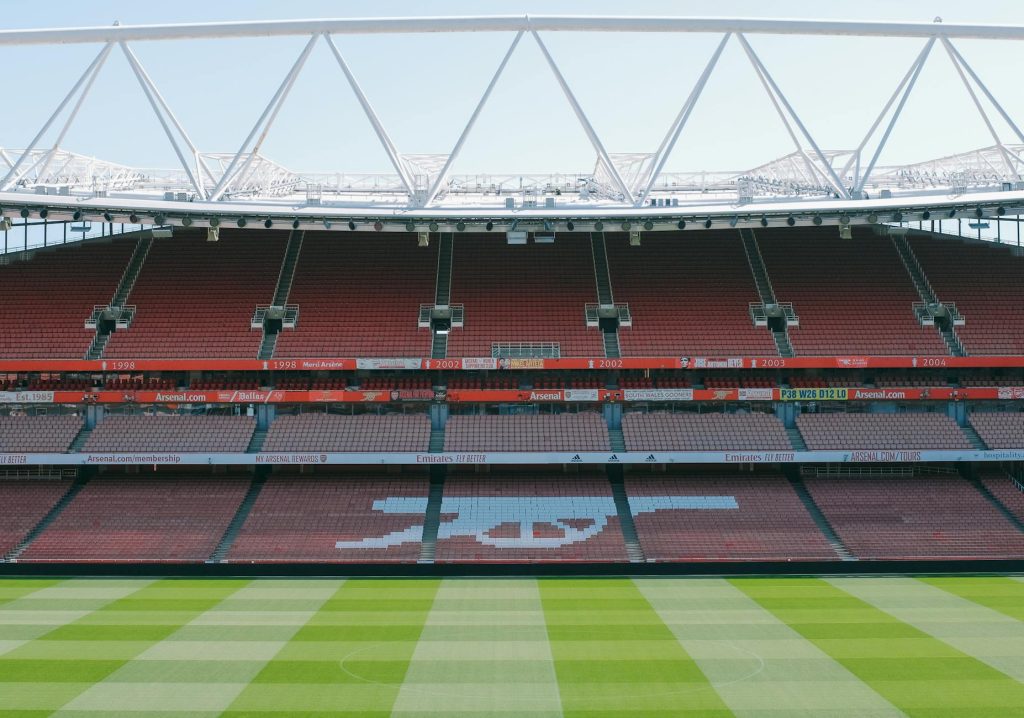
In 2026, the landscape of major football tournaments has evolved into a complex, high-stakes environment where success depends on far more than talent alone. Clubs competing in elite competitions such as the UEFA Champions League, Copa Libertadores, and continental championships are navigating a new era defined by data, financial power, tactical innovation, and global branding. As fans and analysts look deeper into how teams gain competitive advantages, platforms like https://abmineralscorp.com/ highlight the broader intersection between strategy, investment, and performance in modern industries—including sports.
The intensity of competition has increased significantly over the past decade. With broadcasting revenues rising and global audiences expanding, clubs are under constant pressure to deliver results both on and off the pitch. Winning a major tournament is no longer just a sporting achievement; it is a financial and reputational milestone that can define a club’s global standing.
Behind every successful campaign lies a combination of meticulous planning, cutting-edge technology, and adaptive management. Clubs are no longer relying solely on tradition or instinct. Instead, they are embracing a scientific approach to competition, analyzing every detail from player performance to opponent behavior. This transformation has reshaped how tournaments are played and won.
Tactical Evolution and Data-Driven Decision Making
One of the most significant changes in how clubs compete today is the integration of advanced analytics into tactical planning. Coaches and analysts now have access to vast datasets that track every movement on the field, allowing them to identify patterns, weaknesses, and opportunities with unprecedented accuracy.
This data-driven approach has transformed match preparation. Teams can simulate different scenarios, anticipate opponent strategies, and adjust formations accordingly. For example, pressing intensity, defensive positioning, and transition speed are all optimized using real-time metrics. This level of precision has made modern football more strategic and less predictable.
Video analysis has also become more sophisticated. Instead of reviewing matches manually, clubs use automated systems that break down games into detailed segments. These tools allow coaching staff to quickly identify key moments, such as defensive lapses or attacking inefficiencies, and address them in training sessions.
Player recruitment has been equally influenced by data. Scouting networks now rely on performance analytics to identify talent that fits specific tactical systems. Rather than focusing solely on star players, clubs are prioritizing individuals who can contribute effectively within a structured framework. This has led to more cohesive teams capable of executing complex strategies under pressure.
Moreover, in-game decision-making has improved dramatically. Managers receive real-time insights during matches, enabling them to make tactical adjustments on the fly. Substitutions, formation changes, and pressing strategies are often guided by live data, giving teams a competitive edge in crucial moments.
Financial Power and Squad Depth in Elite Competitions
While tactics and analytics play a crucial role, financial strength remains a defining factor in major tournaments. The ability to invest in top-tier players, infrastructure, and support staff gives wealthier clubs a significant advantage over their competitors.
In 2026, squad depth has become one of the most critical elements of success. Major tournaments often involve congested schedules, with teams competing in domestic leagues, cups, and international fixtures simultaneously. Clubs with deeper squads can rotate players effectively, maintaining performance levels while reducing the risk of injuries.
Financial resources also allow clubs to build specialized teams behind the scenes. From sports scientists and nutritionists to psychologists and performance analysts, modern clubs operate like high-performance organizations. These experts work together to ensure that players are physically and mentally prepared for the demands of elite competition.
Transfer strategies have also evolved. Instead of focusing solely on marquee signings, clubs are investing in long-term squad building. Young talents are developed alongside experienced players, creating balanced teams capable of adapting to different challenges. This approach not only improves performance but also ensures sustainability in an increasingly competitive market.
Commercial success is another key factor. Sponsorship deals, merchandising, and global fan engagement provide additional revenue streams that support club operations. The most successful clubs are those that can leverage their brand to generate income while maintaining competitive performance on the field.
However, financial disparity remains a contentious issue. Smaller clubs often struggle to compete with the spending power of elite teams, leading to debates about fairness and regulation. Governing bodies continue to explore measures such as financial fair play to create a more balanced competitive environment.
Player Performance, Mental Resilience, and Global Pressure
Beyond tactics and finances, the human element remains central to success in major tournaments. Players are now operating under immense physical and psychological pressure, with expectations from fans, media, and sponsors reaching unprecedented levels.
Physical conditioning has reached new heights in 2026. Training programs are tailored to individual players, focusing on optimizing strength, endurance, and recovery. Technologies such as wearable trackers and biometric monitoring provide insights into fatigue levels, helping teams prevent injuries and maintain peak performance throughout the season.
Recovery has become just as important as training. Techniques such as cryotherapy, advanced physiotherapy, and sleep optimization are widely used to ensure that players can perform consistently at the highest level. These methods are particularly crucial during intense tournament schedules, where even minor fatigue can impact performance.
Mental resilience is another critical factor. The pressure of competing in major tournaments can be overwhelming, especially during high-stakes matches. Clubs are increasingly investing in sports psychology to help players manage stress, maintain focus, and perform under pressure.
Team dynamics also play a significant role. Successful clubs foster strong relationships among players, creating a sense of unity and shared purpose. Leadership within the squad, both from experienced players and coaching staff, is essential in navigating the challenges of tournament football.
The global nature of modern football adds another layer of complexity. Players come from diverse cultural backgrounds, and clubs must manage these differences effectively. Communication, adaptability, and mutual respect are key to building cohesive teams capable of competing on the international stage.
Fan influence has also grown significantly. Social media platforms amplify every performance, turning players into global figures whose actions are constantly scrutinized. While this visibility can be motivating, it also increases pressure, making mental strength more important than ever.
As major tournaments continue to evolve, clubs must adapt to a rapidly changing environment. Success is no longer determined by a single factor but by the ability to integrate multiple elements into a cohesive strategy. Tactical innovation, financial management, player development, and mental resilience all play crucial roles in shaping outcomes.
In this new era of football, competition is more intense, more complex, and more demanding than ever before. Clubs that can balance these elements effectively are the ones most likely to succeed on the biggest stages.
Ultimately, the way clubs compete in major tournaments today reflects a broader transformation in the sport. Football has become a global industry driven by innovation, strategy, and performance. As the game continues to evolve, so too will the methods used by clubs to gain an edge.
For fans, this means witnessing a higher level of competition, where every detail matters and every decision can influence the outcome. For clubs, it represents both a challenge and an opportunity—to push the boundaries of what is possible and redefine success in the modern game.
Related Reading
- Global Football Leagues in Focus: Latest Performances and Competitive Shifts
- London Spitfire Secures Grand Finals Spot After Dominant Overwatch League Run
- Tactical Shifts and Performance Trends Shaping Clubs in Recent Matches




More Stories
Global Football Spotlight: Major Moments and Trends from the World’s Leading Leagues
Tactical Shifts and Performance Trends Shaping Clubs in Recent Matches
Global Football League Standings Update: A Snapshot of Today’s Competitive Landscape