
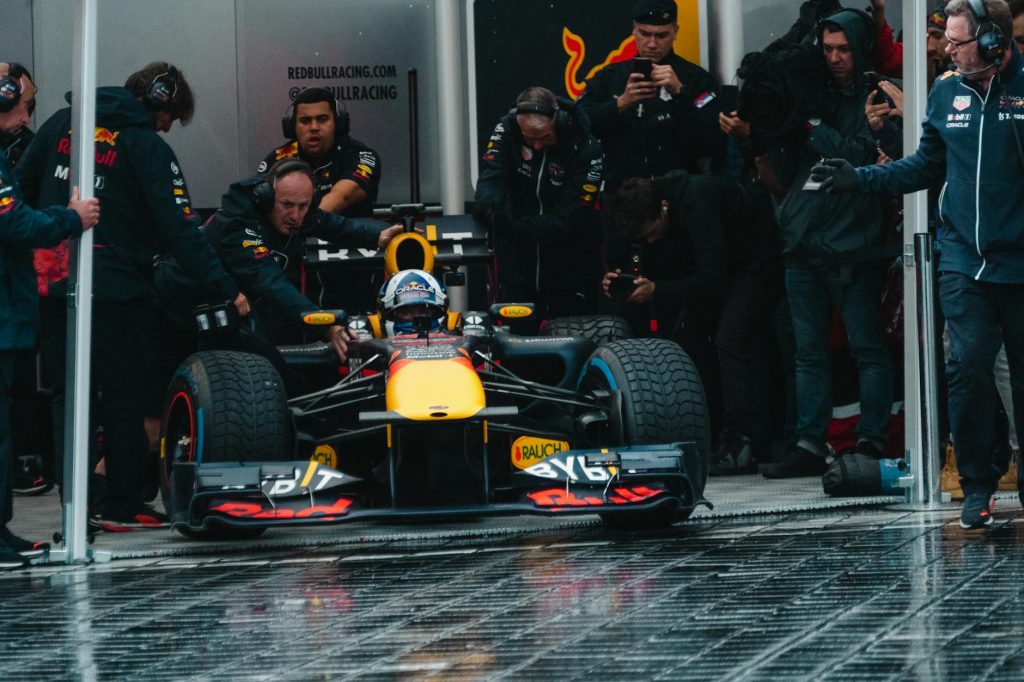
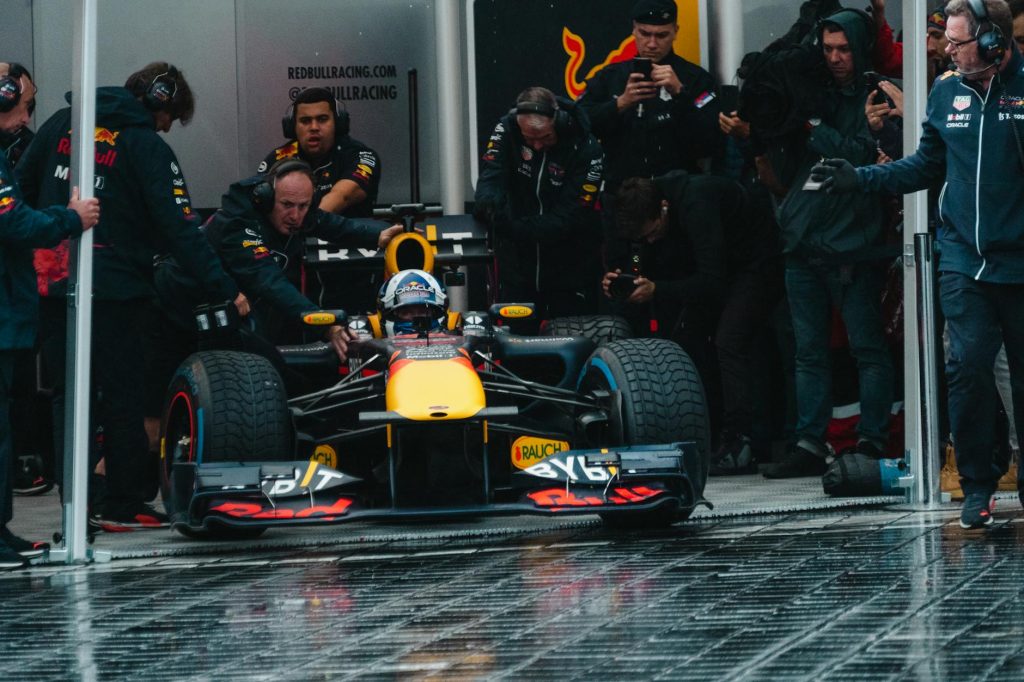
In the ever-evolving world of Formula 1, driver performance remains the defining factor between podium finishes and missed opportunities. The 2024–2025 race calendar has delivered a series of high-intensity battles, strategic gambles, and standout individual performances that have reshaped the competitive landscape. From dominant champions to rising contenders, the nuances of driver execution are becoming more critical than ever. For readers interested in broader analytical perspectives across industries, including performance and strategy, platforms like https://abmineralscorp.com/ offer insightful content that complements such discussions.
As the season progresses, evaluating driver performance requires more than simply looking at race results. It involves dissecting lap consistency, tire management, overtaking efficiency, and adaptability to varying track conditions. Recent races have provided a rich dataset to assess how the sport’s elite drivers are performing under pressure and how emerging talents are challenging established hierarchies.
Consistency, Race Craft, and Tactical Execution
Consistency has long been the hallmark of championship-winning drivers, and recent races have reinforced this principle. Top performers are not only fast over a single lap but are also capable of maintaining competitive pace throughout an entire race weekend. Drivers like Max Verstappen and Lewis Hamilton continue to demonstrate exceptional race craft, balancing aggression with precision.
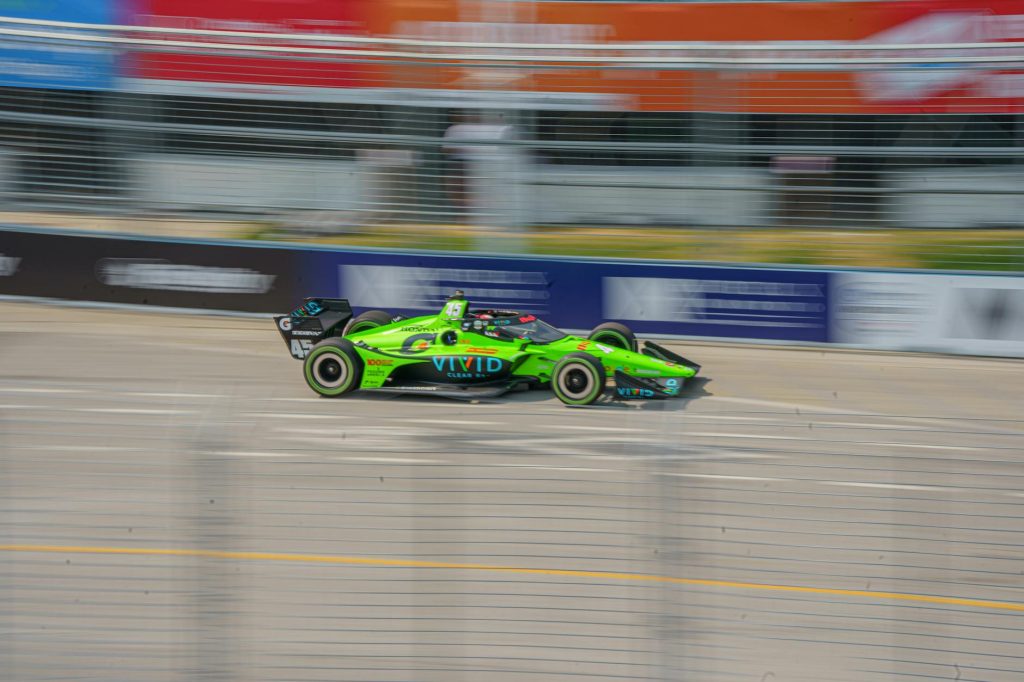
One of the key indicators of performance is lap time consistency. Drivers who can maintain minimal variation between laps—especially during long stints—gain a significant advantage. This is particularly evident in circuits with high tire degradation, where managing pace without overworking the tires becomes crucial. Verstappen, for example, has repeatedly shown the ability to control races from the front while preserving tire life, allowing him to respond effectively to late-race challenges.
Overtaking efficiency is another critical metric. Modern Formula 1 cars, with their aerodynamic complexity, make overtaking a strategic challenge. Successful drivers combine timing, positioning, and race awareness to execute clean passes. In recent races, drivers such as Charles Leclerc and Lando Norris have demonstrated sharp overtaking instincts, capitalizing on DRS zones and opponent weaknesses.
Strategic execution also plays a pivotal role. Drivers must align their on-track decisions with team strategies, often adapting in real time. Whether it’s extending a stint, switching tire compounds, or responding to safety car periods, the ability to make split-second decisions can define race outcomes. This blend of instinct and communication highlights the increasingly collaborative nature of driver performance.
Emerging Talents Challenging the Established Order
While experienced drivers continue to dominate headlines, a new generation of talent is rapidly closing the gap. Recent races have showcased the rise of younger drivers who bring a fearless approach and adaptability to modern Formula 1.
Drivers like Oscar Piastri and George Russell have demonstrated remarkable composure under pressure. Piastri, in particular, has impressed with his qualifying performances and race-day consistency, often outperforming expectations in high-stakes scenarios. His ability to quickly learn new circuits and adapt to changing conditions signals a promising trajectory.
Similarly, Russell has continued to establish himself as a reliable front-runner. His analytical approach to racing—combined with aggressive yet controlled driving—has allowed him to consistently challenge more experienced competitors. His performances highlight the importance of mental discipline and technical understanding in achieving success at the highest level.
Another notable trend is the increasing competitiveness across the grid. Midfield teams are narrowing the performance gap, enabling drivers from traditionally less dominant teams to compete for higher positions. This has led to more dynamic races, where driver skill often compensates for minor deficiencies in car performance.
The emergence of these talents is reshaping team dynamics as well. Established drivers are facing greater internal competition, pushing them to refine their performance further. This internal rivalry often translates into improved results for teams, as both drivers strive to maximize every opportunity.
Data-Driven Insights and the Future of Driver Performance
Modern Formula 1 is as much about data as it is about driving skill. Teams now rely heavily on telemetry, simulation, and predictive modeling to optimize performance. This data-driven approach allows for a more detailed analysis of driver behavior and performance trends.
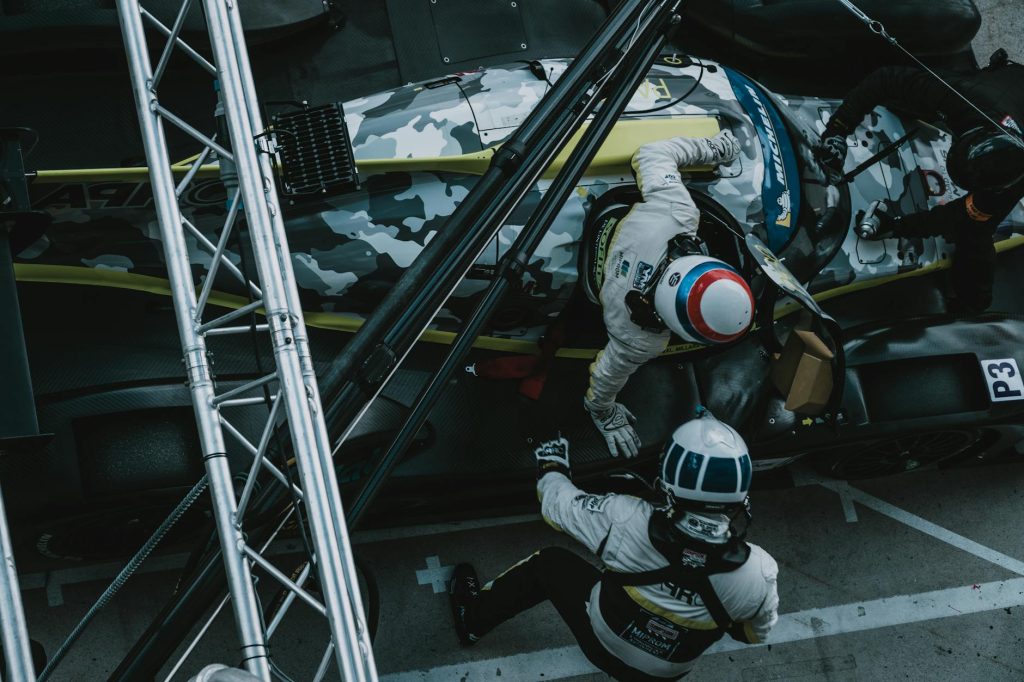
Telemetry data provides insights into braking patterns, throttle application, and cornering techniques. By analyzing these metrics, teams can identify areas for improvement and tailor strategies to individual driver strengths. For example, subtle differences in braking points or steering inputs can significantly impact lap times, especially on technical circuits.
Tire management has also become a focal point of analysis. Drivers who can effectively balance speed and tire preservation gain a competitive edge, particularly in races with limited pit stop opportunities. Recent performances have highlighted how top drivers adjust their driving style to extend tire life without compromising overall pace.
Another critical aspect is adaptability. Weather conditions, track evolution, and unexpected race incidents require drivers to adjust quickly. Those who can seamlessly transition between strategies—such as switching from aggressive to conservative driving—are often the most successful.
Looking ahead, the integration of artificial intelligence and advanced analytics is expected to further enhance performance evaluation. Teams are increasingly using machine learning models to predict race scenarios and optimize strategies, providing drivers with more precise guidance during races.
However, despite these technological advancements, the human element remains central. Decision-making under pressure, psychological resilience, and the ability to read race dynamics cannot be fully replicated by algorithms. The best drivers combine technical proficiency with intuitive understanding, creating a balance that defines elite performance.
In conclusion, recent Formula 1 races have underscored the complexity of driver performance. It is a multifaceted interplay of skill, strategy, and adaptability, influenced by both human judgment and technological support. As the competition intensifies, the margin for error continues to shrink, making every detail—from tire management to split-second decisions—crucial.
The ongoing evolution of the sport ensures that performance analysis will remain a dynamic field, offering new insights with each race. For fans and analysts alike, understanding these nuances adds a deeper appreciation of what it takes to succeed at the pinnacle of motorsport.
Related Reading
- Overwatch League Stage 2 Week 2 Power Rankings: Teams Rising, Falling, and Redefining the Meta
- F1 2026 Season Showdown: How Teams Are Redefining Competition on a New Era Grid
- Formula 1 2026 Season Update: Race Results, Standings, and Title Battle Intensifies




More Stories
Formula 1 2026 Season Update: Latest Standings, Race Highlights, and Key Performances
F1 2026 Season Showdown: How Teams Are Redefining Competition on a New Era Grid
Race Drama and Defining Highlights from the Most Recent Formula 1 Grand Prix