
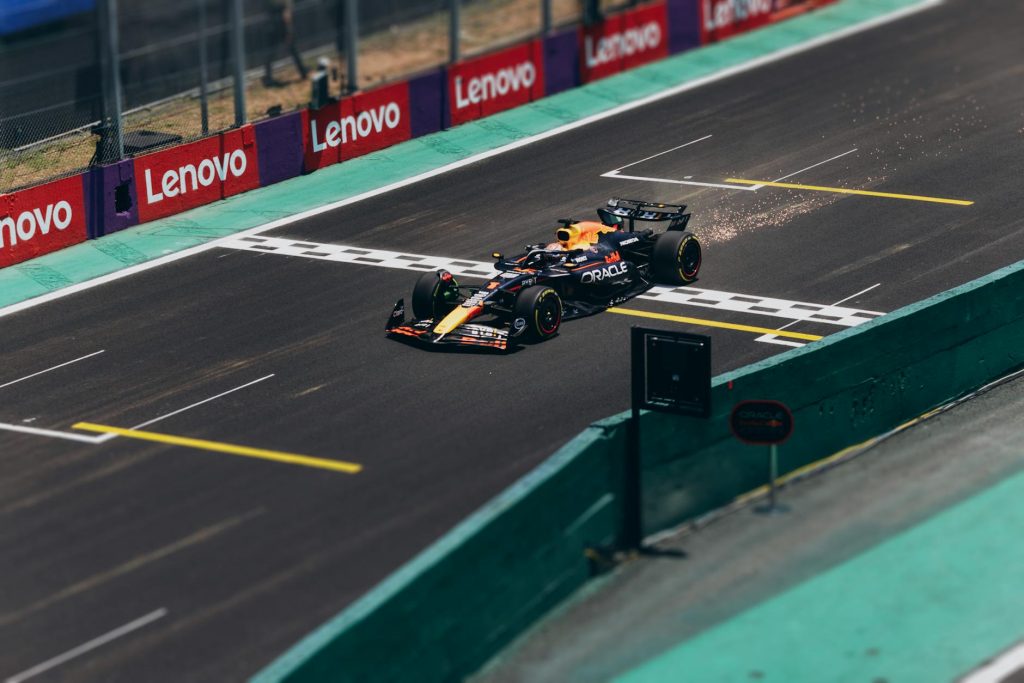
The 2026 Formula 1 season has delivered a compelling mix of intense rivalries, technological evolution, and unpredictable race outcomes, keeping fans and analysts engaged across the globe. As teams push the limits of engineering and strategy, the championship battle continues to evolve with each Grand Prix. For those following broader developments in global industries alongside motorsport innovation, platforms like https://abmineralscorp.com/ reflect how performance, precision, and advancement are shaping multiple sectors in parallel.
This season has already proven that Formula 1 remains one of the most dynamic sporting arenas in the world. With regulation adjustments, emerging talents, and shifting team strategies, the competitive landscape has become tighter than ever. The current standings reflect not only driver skill but also the strategic depth and technical excellence of each team.
Current Driver and Constructor Standings Reflect a Tight Championship Battle
As of the most recent races in the 2026 season, the championship standings show a fiercely contested fight at the top. Established frontrunners continue to dominate, but the margin between leading drivers has narrowed significantly compared to previous years.

The driver standings are currently led by a combination of consistency and tactical brilliance rather than sheer dominance. Leading drivers have focused on accumulating points through podium finishes rather than relying solely on race victories. This strategic approach has proven effective in a season where reliability and race-day execution are just as critical as outright speed.
Several teams have demonstrated improved competitiveness, particularly those that invested heavily in aerodynamic upgrades and hybrid power unit efficiency during the off-season. As a result, midfield teams are now capable of challenging traditional frontrunners, creating more overtaking opportunities and unpredictable race outcomes.
In the constructors’ standings, the battle is equally intense. Top teams are separated by relatively small margins, reflecting how incremental improvements in performance can significantly impact overall rankings. Pit stop efficiency, tire management, and race strategy have become decisive factors in securing points across multiple races.
Notably, the introduction of updated technical regulations has helped level the playing field. Teams that adapted quickly to these changes have gained a competitive edge, while others continue to struggle with consistency. This has resulted in a more balanced grid, where even minor mistakes can alter the outcome of a race weekend.
Key Race Highlights Show Increasing Unpredictability Across Circuits
Recent Grand Prix events have highlighted just how unpredictable the 2026 season has become. Weather conditions, safety car interventions, and strategic gambles have all played significant roles in determining race outcomes.
One of the standout races featured a dramatic late-race overtake that reshaped the championship standings. A well-timed tire strategy allowed a trailing driver to capitalize on fading grip levels among competitors, demonstrating how strategy can outweigh raw pace under the right circumstances.
Street circuits have once again delivered high-intensity racing, with narrow margins and limited overtaking zones testing driver precision. These races often reward those who can maintain consistency under pressure while avoiding costly errors. Meanwhile, traditional high-speed tracks have showcased the importance of aerodynamic efficiency and straight-line speed.
Another defining moment of the season involved a multi-car battle for podium positions in the closing laps of a race. This sequence not only thrilled fans but also emphasized how closely matched the teams have become. Small differences in tire degradation rates and energy deployment strategies can now determine the final podium lineup.
Safety car periods have also had a significant impact on race strategies. Teams that respond quickly to changing conditions—whether through timely pit stops or adaptive tire choices—have often gained crucial advantages. These moments add an additional layer of unpredictability, forcing teams to make split-second decisions with long-term consequences.
Emerging Talents and Strategic Evolution Are Shaping the Season
Beyond the standings and race highlights, the 2026 season is also notable for the emergence of new talent and the evolution of team strategies. Young drivers are increasingly making their mark, challenging experienced competitors and contributing to a generational shift within the sport.
These rising stars bring a fearless approach to racing, often taking calculated risks that pay off in high-pressure situations. Their ability to adapt quickly to different circuits and conditions has made them valuable assets to their teams. At the same time, veteran drivers continue to demonstrate the importance of experience, particularly in managing race pace and conserving tires over long stints.
Strategically, teams are placing greater emphasis on data analysis and predictive modeling. Advanced simulations allow teams to anticipate race scenarios and optimize decision-making processes. This reliance on data-driven insights has elevated the importance of behind-the-scenes operations, where engineers and strategists play a crucial role in determining race outcomes.
Energy management has also become a key factor in modern Formula 1 racing. Efficient deployment of hybrid power systems can provide a competitive advantage, particularly during overtaking maneuvers and defensive driving. Teams that excel in this area are often able to maintain consistent performance throughout a race.
Looking ahead, the remainder of the season promises even more excitement. As teams continue to introduce upgrades and refine their strategies, the championship battle is expected to remain highly competitive. The margin for error is minimal, and every decision—from qualifying performance to race-day execution—can influence the final standings.
Ultimately, the 2026 Formula 1 season exemplifies the sport’s ongoing evolution. It combines cutting-edge technology, strategic complexity, and human skill in a way that few other sports can match. For fans and analysts alike, the unfolding championship offers a compelling narrative of competition, innovation, and the relentless pursuit of excellence.
Related Reading
- Overwatch League Stage 2 Week 2 Power Rankings: Teams Rising, Falling, and Redefining the Meta
- Elite Pace and Precision: Analyzing Top Driver Performances in Recent Formula 1 Races
- Race Drama and Defining Highlights from the Most Recent Formula 1 Grand Prix




More Stories
F1 2026 Season Showdown: How Teams Are Redefining Competition on a New Era Grid
Race Drama and Defining Highlights from the Most Recent Formula 1 Grand Prix
Elite Pace and Precision: Analyzing Top Driver Performances in Recent Formula 1 Races