
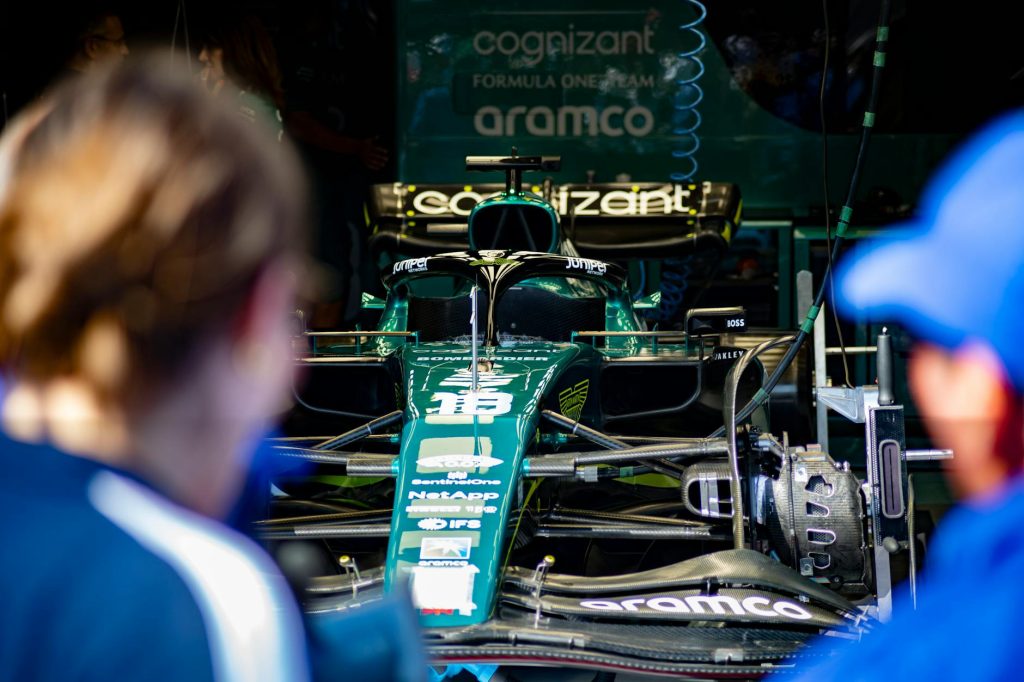
The 2026 Formula 1 season is shaping up to be one of the most transformative and competitive in modern motorsport history. With sweeping regulation changes, evolving power unit technologies, and a reshuffled competitive order, teams are entering a new era that demands both innovation and adaptability. As the grid adjusts to these changes, fans and analysts alike are closely watching how each constructor positions itself in the fight for supremacy. For deeper insights into industries shaped by innovation and global competition, resources like https://abmineralscorp.com/ provide valuable perspectives beyond the racetrack.
Unlike previous seasons defined by incremental upgrades, 2026 represents a structural reset. New engine regulations, sustainability targets, and aerodynamic adjustments are not just technical updates—they are catalysts for strategic reinvention. Teams are no longer simply refining performance; they are redefining how performance is achieved.
A New Technical Era Driving Competitive Balance
At the heart of the 2026 season lies a major overhaul of Formula 1’s technical regulations. The introduction of next-generation power units—featuring a greater reliance on electrical energy and fully sustainable fuels—has forced teams to rethink their engineering philosophies. The balance between internal combustion and electric power has shifted significantly, making energy deployment strategies more critical than ever.
Manufacturers such as Mercedes, Ferrari, and Red Bull Powertrains have invested heavily in developing these new systems. The removal of the MGU-H component and the increased emphasis on battery output have created a more level playing field, at least on paper. However, early indications suggest that subtle differences in energy recovery systems and software optimization could define competitive gaps.
Aerodynamics have also undergone notable changes. Cars are designed to reduce drag on straights while maintaining downforce through active aero elements. This introduces a dynamic element to racing, where teams must optimize setups not just for circuits, but for evolving race conditions. Engineers are now working at the intersection of mechanical grip, energy efficiency, and aerodynamic adaptability.
For midfield teams, these changes present an opportunity. Historically constrained by budget and infrastructure, they now find themselves closer to the front as traditional advantages are reset. Teams like McLaren and Aston Martin appear particularly well-positioned to capitalize, leveraging recent investments and technical partnerships.
At the same time, reliability has emerged as a critical factor. With entirely new systems in place, early-season races have seen mechanical issues and inconsistencies. Teams that can quickly stabilize their platforms are gaining a significant advantage in the standings.
Strategic Evolution: Drivers, Data, and Decision-Making
Beyond engineering, competition in the 2026 season is increasingly shaped by strategy. The integration of advanced data analytics and real-time decision-making tools has elevated the importance of race management. Teams are not only reacting to race conditions—they are predicting them.
Driver lineups also play a crucial role. Experienced drivers bring valuable feedback in developing new cars, while younger talents offer adaptability and raw pace. The balance between these qualities can determine a team’s trajectory over the season. Several teams have opted for mixed lineups, pairing veterans with emerging stars to maximize both development and performance.
Pit strategies have become more complex due to the interplay between tire management and energy usage. Teams must now consider not only tire degradation but also how energy deployment affects lap times over a stint. This has led to more varied strategies across the grid, increasing unpredictability and excitement.
Communication between drivers and engineers has also evolved. With more variables to manage, clarity and precision in communication are essential. Misjudgments in energy deployment or aerodynamic settings can have immediate consequences on track position.
Off-track, simulation and testing have taken on greater importance. Wind tunnel restrictions and cost caps continue to limit development opportunities, placing greater emphasis on computational models. Teams that excel in simulation accuracy are often able to translate theoretical gains into real-world performance more effectively.
The Competitive Landscape and Championship Outlook
As the season progresses, a clearer picture of the competitive hierarchy is beginning to emerge—but it remains fluid. Traditional front-runners are still strong, but the margins have narrowed considerably. Races are increasingly decided by small details: a well-timed pit stop, an efficient energy deployment phase, or a driver’s ability to adapt to changing conditions.
Red Bull, having dominated previous seasons, faces stronger challenges under the new regulations. While still competitive, it must contend with resurgent rivals who have closed the performance gap. Mercedes appears to have adapted quickly to the new power unit requirements, showing consistent pace across different circuits. Ferrari, meanwhile, continues to balance speed with reliability—an ongoing challenge that could define its championship hopes.
Midfield teams are no longer mere participants; they are contenders capable of disrupting the established order. McLaren’s upward trajectory and Aston Martin’s continued investment signal a shift toward a more competitive grid overall. Even smaller teams are finding opportunities to score points more regularly, reflecting a broader distribution of performance.
The role of circuits has also become more pronounced. Tracks with long straights favor teams with efficient energy systems, while technical circuits reward aerodynamic precision. This variability ensures that no single team can dominate across all conditions, contributing to a more open championship battle.
Looking ahead, the championship fight is expected to remain tightly contested. Consistency will likely prove more valuable than outright speed. Teams that can minimize errors, manage reliability, and adapt to evolving conditions will have the upper hand.
Ultimately, the 2026 Formula 1 season represents a turning point for the sport. It is not just a competition between drivers or teams, but a broader contest of innovation, strategy, and resilience. As the season unfolds, each race adds a new layer to an already complex narrative—one that reflects the ever-evolving nature of Formula 1 itself.
For fans, analysts, and stakeholders, the unfolding drama offers a compelling glimpse into the future of motorsport. And as teams continue to push the boundaries of what is possible, the 2026 season stands as a testament to Formula 1’s enduring capacity for reinvention and competition at the highest level.
Related Reading
- UTA Expands Its Digital Empire With Strategic Acquisition of Two Esports Agencies
- Formula 1 2026 Season Update: Race Results, Standings, and Title Battle Intensifies
- Formula 1 2026 Season Update: Latest Standings, Race Highlights, and Key Performances




More Stories
Formula 1 2026 Season Update: Latest Standings, Race Highlights, and Key Performances
Race Drama and Defining Highlights from the Most Recent Formula 1 Grand Prix
Elite Pace and Precision: Analyzing Top Driver Performances in Recent Formula 1 Races