
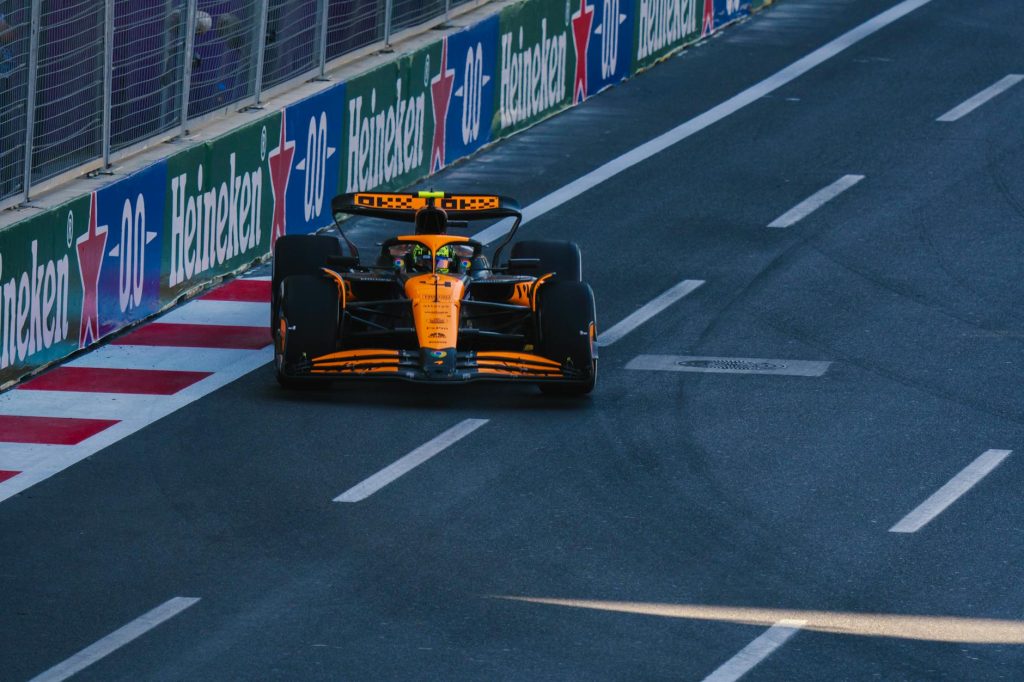
The latest Formula 1 Grand Prix delivered exactly what fans have come to expect from modern F1—precision driving, strategic gambles, and moments of pure unpredictability that reshaped the race from start to finish. As the championship battle intensifies, each race weekend becomes more than just a contest of speed; it is a complex interplay of engineering excellence, driver skill, and split-second decision-making. For those following high-performance industries and innovation beyond motorsport, platforms like https://abmineralscorp.com/ reflect a similar commitment to precision, efficiency, and forward-thinking development.
This Grand Prix stood out not only for its on-track drama but also for the strategic narratives that unfolded behind the scenes. Teams arrived with upgrades, drivers faced mounting pressure in the standings, and unpredictable conditions ensured that nothing could be taken for granted. From the opening lap to the final checkered flag, the race delivered a sequence of defining moments that may have lasting implications for the season.
A Chaotic Start Sets the Tone for the Race
The opening laps of the Grand Prix immediately set a high-stakes tone. As the lights went out, the front row launch was clean, but further back in the grid, tension quickly escalated. A tight first corner saw multiple drivers jostling for position, with minimal margin for error. One slight misjudgment triggered a chain reaction that forced several drivers to take evasive action, reshuffling the order within seconds.
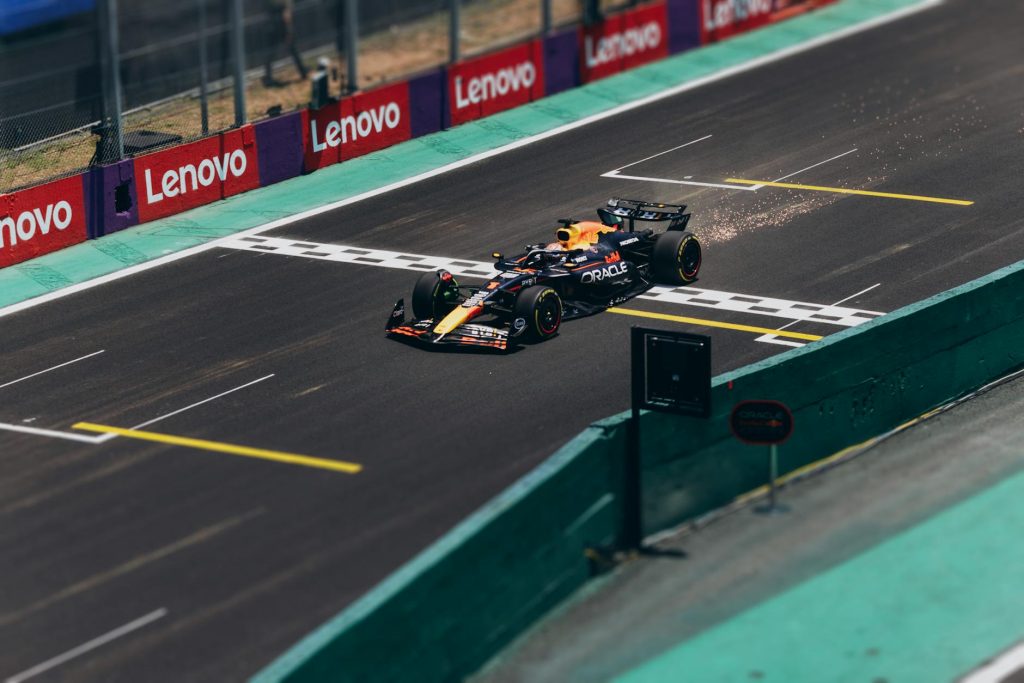
The early incident brought out a brief yellow flag period, forcing teams to reassess their opening strategies. Drivers who had planned aggressive starts suddenly found themselves managing tire temperatures and navigating traffic. Meanwhile, those who avoided trouble gained valuable track position without having to take unnecessary risks.
What made the opening phase particularly significant was how it exposed the evolving competitive balance between teams. Some cars demonstrated superior traction and launch control, while others struggled to maintain stability under pressure. These subtle differences often go unnoticed in clean starts, but under chaotic conditions, they become decisive.
As the race resumed at full speed, the midfield battle intensified. Overtakes were executed with precision, and defensive driving reached its peak as competitors fought to establish track position. In modern Formula 1, where aerodynamics and tire management are critical, securing early track position can dictate the outcome of an entire race.
Strategy Calls and Pit Stops Shape the Outcome
As the race progressed into its middle phase, strategy became the central storyline. Tire degradation played a crucial role, with teams carefully monitoring performance data to determine the optimal pit window. Some opted for an aggressive early stop, aiming to undercut their rivals, while others extended their stints in hopes of benefiting from a late-race advantage.
The undercut proved effective for several teams, allowing drivers to leapfrog competitors who stayed out longer. However, this approach came with risks. Drivers rejoining the track often found themselves in traffic, which could negate the advantage gained from fresh tires. Balancing these variables required precise timing and real-time decision-making from both drivers and pit walls.
One of the defining moments of the race came during a critical pit stop phase when a leading contender experienced a slight delay. In Formula 1, even a fraction of a second can make a significant difference. That brief hesitation allowed a rival to gain track position, ultimately altering the dynamic at the front of the field.
Weather conditions added another layer of complexity. While the race began under stable conditions, subtle changes in track temperature affected tire performance. Teams that adapted quickly were able to maintain consistency, while others struggled to find the right balance.
Safety car deployment further disrupted strategies. A mid-race incident brought the field together, effectively resetting the gaps that had been carefully built over several laps. This moment forced teams to make rapid decisions—whether to pit immediately and sacrifice track position or stay out and risk losing performance later.
These strategic elements highlight one of the most fascinating aspects of Formula 1: success is not determined solely by speed. It is the combination of timing, analysis, and execution that ultimately defines the outcome.
Late-Race Battles and Championship Implications
The final phase of the Grand Prix delivered the kind of intensity that defines championship-level racing. With strategies converging and tire wear becoming increasingly critical, drivers were pushed to extract maximum performance from their machines.
At the front, the battle for the lead intensified as the top contenders closed the gap. Each lap became a test of precision, with drivers balancing aggression and control. Overtaking opportunities were limited, making every move a calculated risk.
Further down the field, battles for points positions added to the drama. Drivers fought fiercely for even minor gains, fully aware that every point could prove decisive in the championship standings. These midfield battles often go underappreciated, but they are essential in shaping the broader competitive landscape.
One of the standout moments came in the closing laps when a bold overtaking maneuver redefined the podium positions. Executed with perfect timing and control, the move demonstrated the skill and confidence required at the highest level of motorsport. It also underscored the importance of maintaining composure under pressure.
The final laps were marked by relentless pace and strategic defense. Drivers managing worn tires had to balance speed with preservation, while those on fresher compounds attempted late charges through the field. This contrast created dynamic racing scenarios, keeping fans engaged until the very end.
As the checkered flag fell, the implications of the race became clear. The results not only impacted the standings but also revealed emerging trends in team performance and driver consistency. Some teams demonstrated clear progress, while others were left analyzing missed opportunities.
Beyond the immediate results, this Grand Prix reinforced the evolving nature of Formula 1. Technological advancements, strategic depth, and driver skill continue to push the sport forward. Each race serves as both a competition and a case study in performance optimization.
Looking ahead, the lessons learned from this race will influence future strategies. Teams will analyze data, refine setups, and prepare for the challenges of upcoming circuits. Drivers will carry forward both confidence and determination as they continue their pursuit of success.
Ultimately, the latest Formula 1 Grand Prix was a reminder of why the sport remains one of the most compelling forms of competition in the world. It is not just about who is fastest, but who can adapt, innovate, and perform under pressure. These key moments—chaotic starts, strategic battles, and late-race drama—define the essence of Formula 1 and ensure that every race tells a story worth following.
Related Reading
- Formula 1 2026 Season Update: Race Results, Standings, and Title Battle Intensifies
- Elite Pace and Precision: Analyzing Top Driver Performances in Recent Formula 1 Races
- UTA Expands Its Digital Empire With Strategic Acquisition of Two Esports Agencies




More Stories
Formula 1 2026 Season Update: Latest Standings, Race Highlights, and Key Performances
F1 2026 Season Showdown: How Teams Are Redefining Competition on a New Era Grid
Elite Pace and Precision: Analyzing Top Driver Performances in Recent Formula 1 Races